
Her skin has had a full day
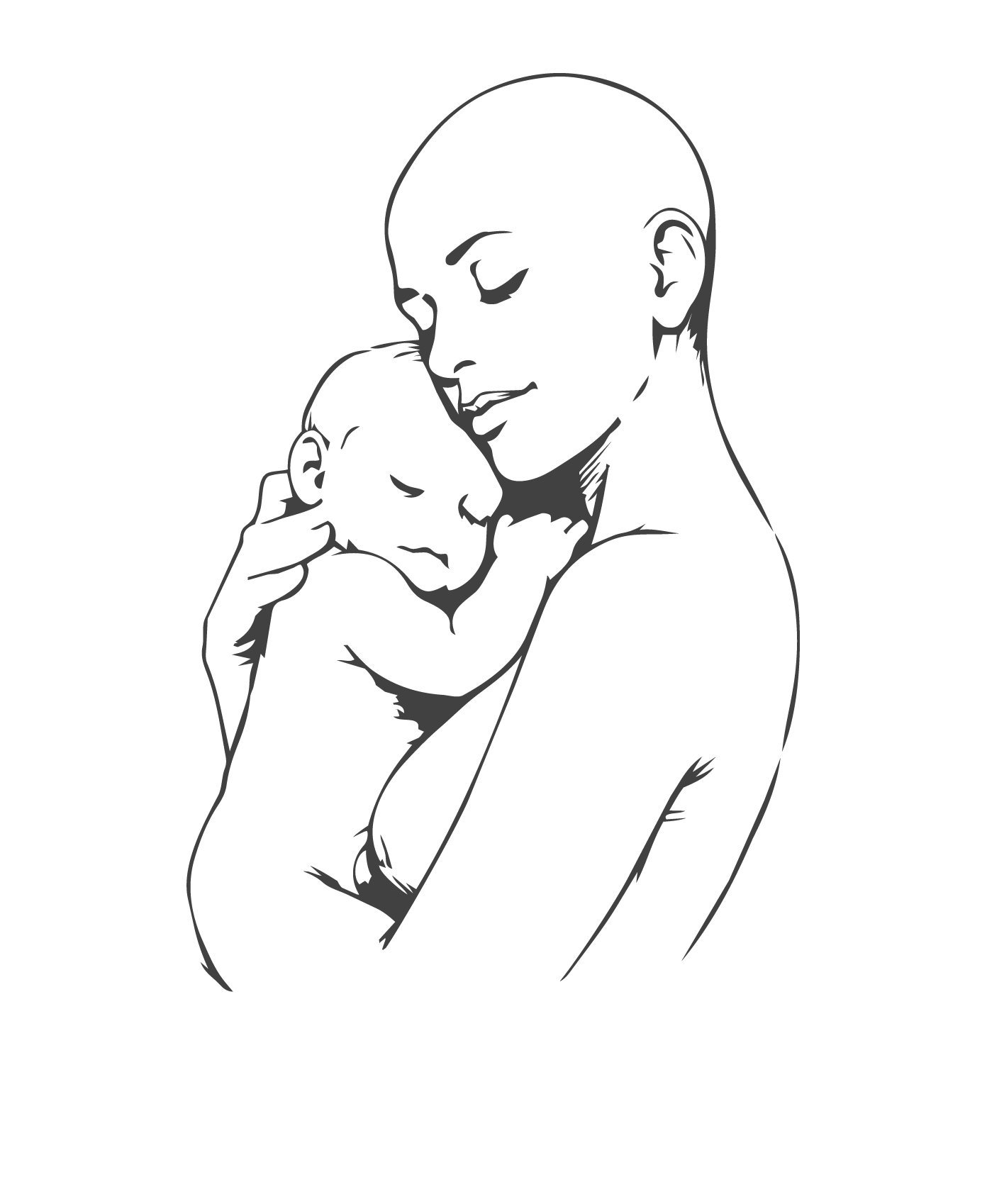
There is a child asleep across a woman’s chest. Another is curled against her leg. The room is warm. A film is playing quietly on a screen, and the woman is almost afraid to move because she has finally achieved the extraordinary logistical miracle of two children being still at once.
She loves them with an intensity that sometimes makes her cry.
She also wants every living creature to remove its hands from her body.
The two feelings are present simultaneously. She is not confused about whether she loves her children. She is describing the limits of skin that has spent the day feeding, carrying, reassuring, washing, dressing, playing and responding.
When her partner leans in to kiss her, she turns her face away. The gesture is small. The meaning attached to it can become enormous.
She is not rejecting a person so much as asking for a different relationship to touch tonight.
But she may not know how to say that without making the other person feel unwanted.
The myth of limitless maternal contact
Motherhood is often described through images of endless tenderness. A baby resting against a chest. A small hand gripping a finger. A mother bending toward a child with complete attention. These images represent real moments and can be profoundly beautiful.
They can also conceal the practical experience of being physically needed for hours with almost no pause.
Feeding, nursing, lifting, soothing and keeping children safe involve bodily contact that may be comforting, uncomfortable or exhausting in changing proportions. A mother may delight in a cuddle and resent the next one. She may experience tenderness toward a child while feeling desperate for space.
Neither response measures the quality of her attachment.
We should not imply that every mother experiences tactile overload. Bodies differ. Some find physical closeness regulating and seek more of it when tired. Others find repeated contact overwhelming. A woman may have different preferences depending on sleep, illness, pain, sensory sensitivity, stress and who is touching her.
What matters is that motherhood does not cancel a woman’s right to have an experience of touch that belongs to her.
The partner who misses her
The other adult in the household may have spent the day longing for closeness. They return home and see the children gathered around the woman they love. They wait until bedtime, then reach for her. When she withdraws, they may feel invisible, disappointed or ashamed of wanting.
Those feelings deserve recognition. They do not create an entitlement to her body.
A relationship can hold two true statements at once: one person wants contact, and the other has reached a limit. The problem begins when the distinction is converted into a moral accusation. You never want me. You only have time for the children. I suppose I’m the last person on your list.
A woman who is already depleted may respond by providing reassurance she cannot afford. The physical touch ends, but the responsibility to manage someone else’s emotional state continues. She may begin to dread the moment the children fall asleep because it marks the beginning of another person’s disappointed expectation.
There is a kinder possibility. The partner can describe missing her without making her responsible for eliminating the feeling. She can describe her own need for space without presenting a defence of her love. They can discuss how to create connection that does not require one person’s body to become available on demand.
We explored a related issue in Touch Without Obligation. In Mother, the question is shaped by the sheer amount of care that has already passed through the woman’s skin.
A body that may have been through birth
Pregnancy, birth, surgery, feeding and postpartum recovery can change how touch is experienced. Pain, healing, hormonal changes, sleep deprivation and alterations in sensation may affect intimate life. Some women feel greater confidence and erotic interest after becoming mothers. Others need time, clinical support or a different kind of contact.
There is no single maternal sexual timetable. A woman does not owe the world a dramatic return to her former body or the former pattern of intimacy.
ACOG describes postpartum care as an ongoing process addressing multiple aspects of a woman’s health. This is a useful counterpoint to the cultural idea that birth ends, a short recovery period follows, and then the body ought to resume all its previous functions on command.
Pain during sexual contact, persistent distress or symptoms affecting daily life deserve individual care. They should not be explained away as normal sacrifices or solved by demanding that a woman become more relaxed.
The wish to be touched differently may be a medical issue, a relational preference, a temporary response to pressure or some combination. The point is to ask which experience is actually present.
The mother’s own sensations
A woman can become skilled at reading her child’s body. She notices the particular cry that suggests hunger, the breathing that announces sleep, the small movement that precedes discomfort. In doing so, she may become less practiced at attending to her own sensations.
The child is cold. The child needs food. The child is overstimulated. The child’s clothing is scratchy. The child has a headache. Every signal asks the mother to notice and respond.
Meanwhile she may not realise that her own shoulders hurt, that she has been thirsty for hours, or that a particular kind of touch has become unwelcome. Not because her body is unimportant, but because other signals have been louder.
There is no need to turn this into a theory that motherhood necessarily erases the self. It can expand the self in extraordinary ways. Yet the practical attention required by care may leave little space for a woman’s own sensory preferences.
A useful question might be: What does my body want when nobody else is asking it for anything?
The answer may be a warm bath, the absence of sound, a different kind of embrace, food, sleep or an hour in which nobody needs a reply. The answer is not necessarily sexual, and it does not have to be.
Permission to ask for a different touch
Some women want more affectionate contact and less sexual expectation. Some want the opposite. Some prefer an arm around the shoulders to a hand on the waist. Others want conversation before physical closeness, or a period of solitude before they can enjoy being held.
These are not universal preferences. They are invitations to become specific.
A woman could say, I would love you to stroke my hair, but I don’t want that to become a question about sex tonight. She could say, I miss kissing you without the evening turning into a negotiation. She could say, I need half an hour entirely to myself, and then I’d love to sit beside you.
The other person may need to learn that a boundary is not a coded rejection. They may have their own needs and wishes to discuss. The aim is not to make touch one person’s command. It is to allow both to remain present without treating desire as a contract.
In coercive relationships, such conversations may not be safe. A woman’s right to stop is not dependent on her ability to explain the reasons in a pleasing voice.
Children also learn from a mother’s limits
Children need care and connection. They also gradually learn that other people have bodies with limits. Within age-appropriate boundaries and with a child’s needs met, a parent may be able to say, My body needs a little space, and then we’ll have a cuddle.
A child’s response will depend on age, development and circumstances. An infant’s essential needs cannot be treated like a negotiable adult request. An older child may begin to learn that affection can be loving and voluntary rather than extracted from an endlessly available adult.
The lesson is not that mothers should withhold comfort to demonstrate autonomy. It is that their bodies do not cease to belong to them because they are caring for someone else.
When a child is able to understand, the model of affectionate limits may help them recognise that other people’s bodily preferences are real too.
This is an ethical possibility, not a guaranteed developmental outcome from one carefully phrased sentence.
The unexpected return of appetite
Sometimes erotic curiosity returns when a woman receives practical relief. Another adult handles bedtime fully. She sleeps. She has time alone. A conversation happens without anyone demanding a solution. Later she finds herself wanting contact that she could not have imagined wanting during the crowded afternoon.
Sometimes it does not return. She may remain uninterested, or find that intimacy has changed permanently. The right support depends on what matters to her and on whether the change causes distress.
We should not treat rest and fair labour as a sexual bargain, as though someone who shares parenting work has bought access to the woman’s body. The sharing is important because care is a shared human undertaking. Any shift in desire is a possible consequence, not the price of cooperation.
A woman is more than an instrument for the emotional and physical wellbeing of others.
A quiet scene after bedtime
The children are finally asleep. The woman stands in the doorway, listening to the improbable absence of demands. She is exhausted and affectionate and slightly hungry.
Her partner asks what she needs. For once she answers without translating the need into an acceptable performance.
I’d like a shower by myself. Then I’d love for you to sit beside me and hold my hand. Just that.
Perhaps she later wants more. Perhaps she does not. The value of the evening is not measured by its erotic outcome. It is in the discovery that a woman can speak a bodily preference and remain connected to the people she loves.
Motherhood has given her extraordinary forms of contact. It has not removed her right to choose the next one.
Connected reading
- Touch Without Obligation, on affection without a hidden destination.
- The Other Birth: Becoming Someone’s Mother, on the emergence of a parental self.
- The Woman Who Wants to Be Left Alone, on solitude as a human need.
- The Sensual Encyclopedia, on sensation, connection and embodied life.
This essay explores possible experiences of touch and care. Postpartum pain, persistent sexual difficulties or mood symptoms deserve individual professional assessment and support.
A free course to continue
When Desire Goes Quiet
Explore what surrounds a quiet desire: fatigue, obligation, expectation and preference. Make room for an honest answer without prescribing what you should want. Free at the Sensual Institute; account and login required.